

easyJet update on ticket prices as Ryanair boss speaks out

Mirror
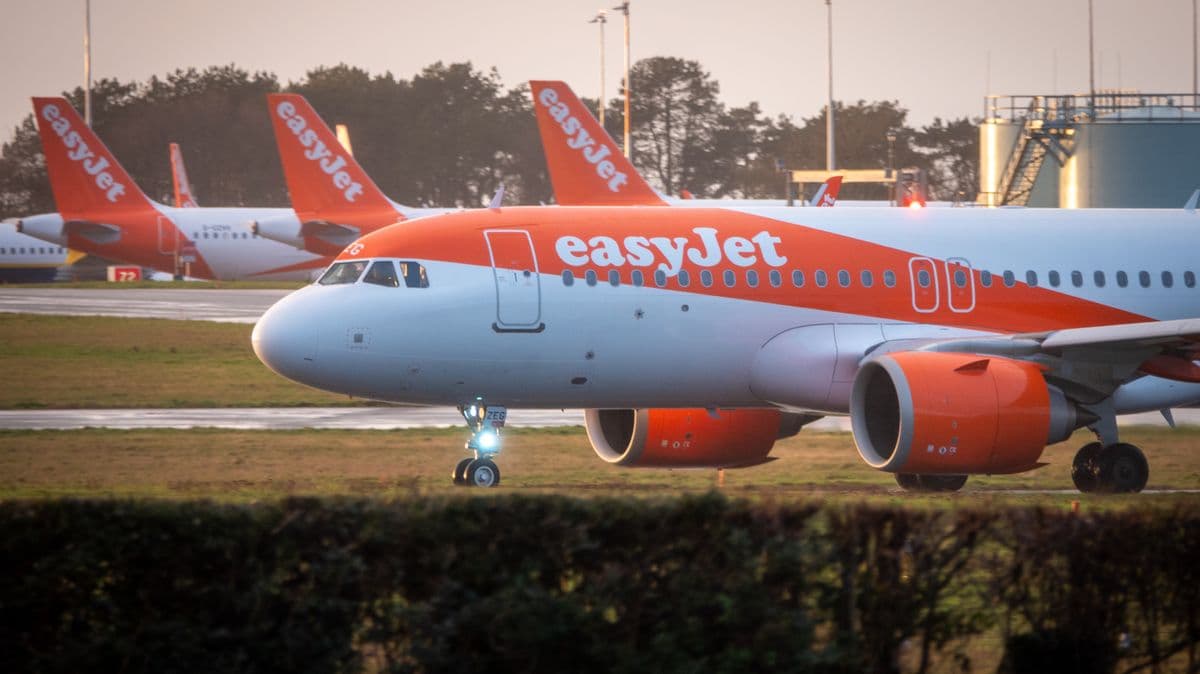
easyJet's chief executive has issued an update to air passengers over the risk of price rises as Ryanair's boss released new comments on the Iran war. easyJet chief executive Kenton Jarvis warned passengers that there could be an effect on ticket prices before long due to the conflict's impact on fuel prices.
He said: "fuel is spiking at the moment, but the view of the markets is that fuel comes down in price" in the coming months - yet he added a note of caution. The price of jet fuel stood at around £1,800 a tonne, but will have dropped to roughly £1,000 by the summer, he predicted. The question for the airline is "whether it will come down to where it was before: $700 a metric tonne", he added.
He predicted that ticket prices would start to reflect higher fuel costs by the end of the summer. But he said that any long-term impact depended on how long the conflict continued.
Kenton Jarvis, chief executive officer of EasyJet Plc(Image: Getty)
His comments come as airlines attempt to manage uncertainty over the Iran war. Many airlines are holding off on making decisions over large purchases of jet fuel in the hope that the prices on the market would fall due to the fairly swift resolution of the Iran conflict. This relates to something called hedging.
According to industry experts at simpleflying.com, airlines hedge the risk of increasing oil prices by purchasing forward contracts. A forward is a customizable contract where two parties agree to buy or sell a certain quantity of an asset (most often commodities) at a specified price on a future date.
This benefits the airline by locking in a price ahead of time, thereby protecting them from future price rises. The Financial Times reports today that airlines are holding off on securing new jet fuel hedges, hoping prices will drop in the coming months. This gamble on a quick resolution to the Iran war leaves them potentially vulnerable to further price hikes.
easyJet says it is expected to pay more when "topping up" its hedges, Jarvis said, adding that the airline had not altered its hedging strategy. European airlines have hedged approximately 80 per cent of their fuel requirements for this year and usually secure new hedges on a rolling basis to fix future prices. However, following the doubling of jet fuel prices since the onset of the Iran war three weeks ago, some carriers have put a hold on any new financial contracts.
"I don't think we'll do any hedging for the next three months," Ryanair group chief executive Michael O'Leary told the FT. "We would always vary a little bit if we thought there's a short-term [jump] - clearly nobody's doing any hedging now with these kind of rates."
Jet fuel prices have escalated to $180 a barrel, whilst the gap with Brent crude price has also broadened as the conflict continues. Approximately 40 per cent of the world's jet fuel passes through the Strait of Hormuz.
The comments from the easyJet boss follow his warning yesterday urging holidaymakers to book early due to the surge in aviation fuel costs caused by the ongoing war in Iran. Mr Jarvis stated that the budget airline was "well-hedged" as it had pre-secured fuel supplies, but pricing was currently "volatile" since this "terrible war started".
He made the remarks at Newcastle Airport, where easyJet announced the opening of a new base with three aircraft, operating 86 flights per week on 22 routes from the hub. The plan should support 1,200 UK jobs including 140 posts for pilots and cabin crew.
Mr Jarvis, who arrived in Newcastle on a specially-arranged flight from Luton, said UK growth from regional airports was up by more than 30% in the past three years. Asked if this was the right time to expand, given the ongoing crisis in the Gulf, he told the Press Association: "We take very much long term views when we do this.
Lighthouse beach in Paphos, Cyprus - tourism numbers in the country are being affected by the conflict(Image: Getty)
"This is something we're doing for the medium term." On increased fuel prices, he said: "One thing we have seen is fuel very volatile over the last few weeks since this terrible war started, and we're seeing it completely elevated at the moment.
"As an airline, easyJet is very well-hedged, so we buy our fuel in advance, which means we've got fuel at attractive prices for the coming months. But over time (...) yes, I expect if fuel remains at this level, the prices will become elevated.
"Fuel prices will have to go up in which case, I just recommend booking as early as possible." Mr Jarvis said airlines like easyJet worked on "thin" margins of £6 to £7 per seat, so there was a need to offset increased costs with efficiencies, but that would be difficult.
The operator has noted increased demand for destinations away from the conflict, including the Canaries, Spain, Portugal, Malta and Greece, with "softening demand" for Turkey and Cyprus.
But demand for holidays in general was holding up, he said, despite fears over the the cost of living in the UK. The FT reports that markets are predicting a decline in prices throughout the year. O'Leary said long-term prices for jet fuel in summer 2027 remained $75 to $80 a barrel, adding: "We'd be greedy and wait until hopefully we can get under $70."